
Xiamen Mellow Rotomolding, dedicated on rotomolding /rotational moulded R&D manufacture, is located at beautiful coastal city Xiamen.



Xiamen Mellow Rotomolding, dedicated on rotomolding /rotational moulded R&D manufacture, is located at beautiful coastal city Xiamen.
|
Custom Rotomolded Plastic Fuel Tanks: The Ultimate B2B Buyer’s & Engineering Guide Whether you are designing a rugged off-road vehicle, an agricultural tractor, a marine vessel, or a motorcycle, selecting the right fuel tank technology is critical to performance, safety, and longevity. Today, custom rotomolded plastic fuel tanks have become the gold standard across demanding industries. In this comprehensive guide, we will break down what rotomolded fuel tanks are, their structural benefits, key manufacturing differences, ideal application areas, and how to partner with a qualified OEM manufacturer. |

What is a Rotomolded Fuel Tank?
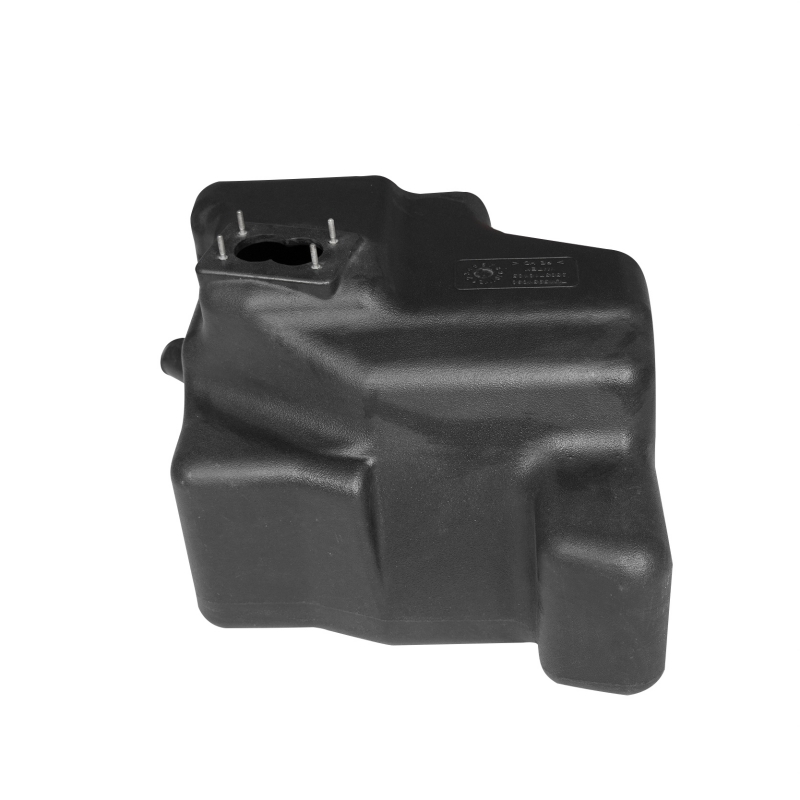
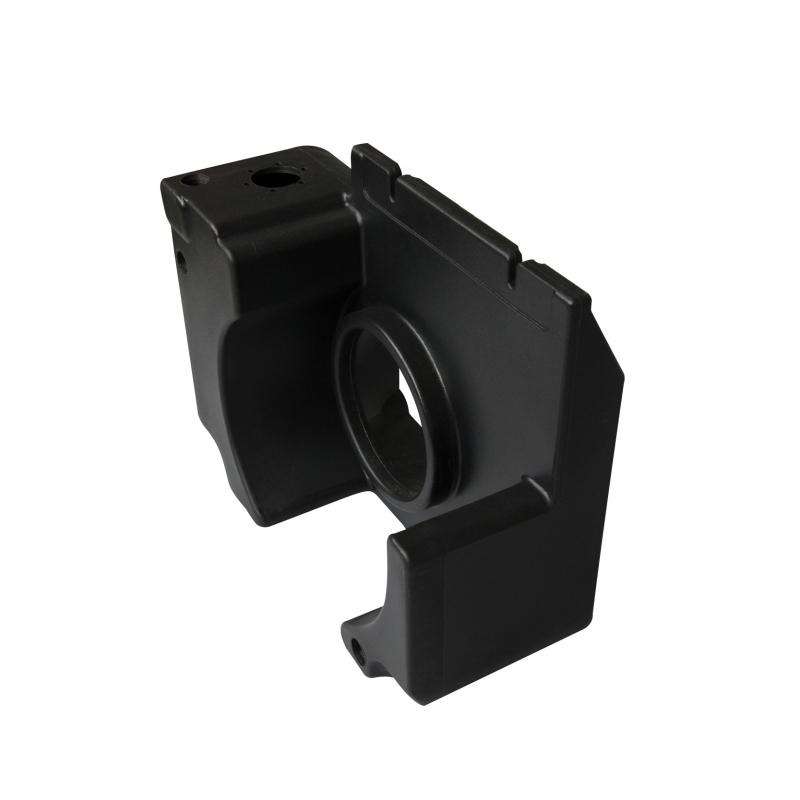
A rotomolded fuel tank is a hollow plastic container manufactured through rotational molding (rotomolding)—a heated, multi-axis rotation process that forms seamless, stress-free thermoplastic parts.
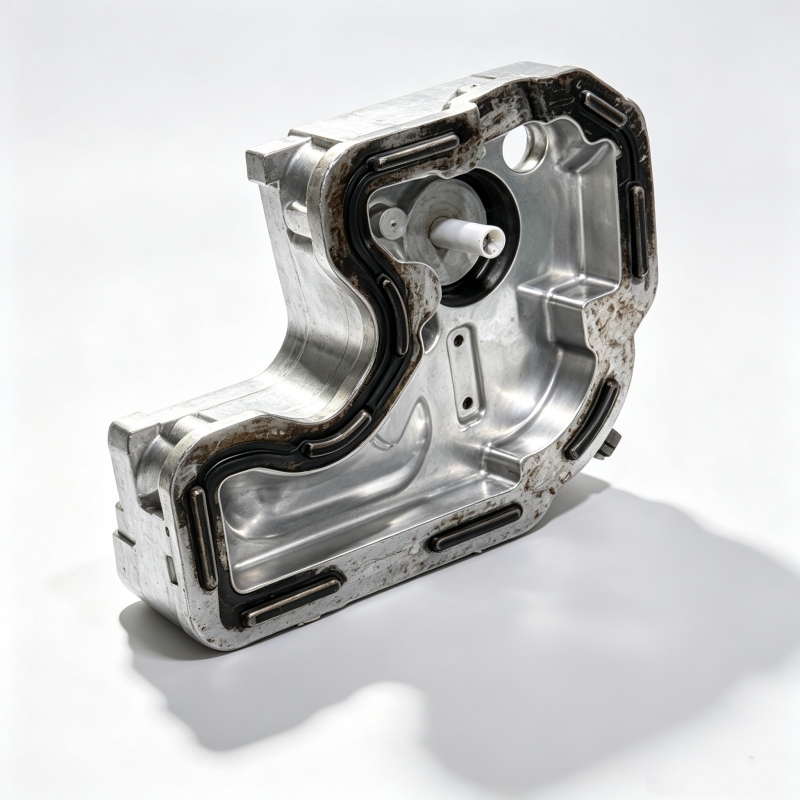
Unlike traditional metal welding or high-pressure injection molding, rotomolding utilizes high-grade resins such as Linear Low-Density Polyethylene (LLDPE) or Cross-linked Polyethylene (XLPE). The plastic powder melts and coats the inner walls of a heated CNC aluminum mold evenly, creating a uniform, highly durable, and completely seamless fuel cell.
Key Advantages of Rotomolded Fuel Tanks
Rotational molding offers unique structural and financial benefits for commercial fuel storage:
Comparison: Rotomolded vs. Blow Molded vs. Metal Fuel Tanks
Choosing the right manufacturing process depends on your volume, budget, and design complexity:
| Feature | Custom Rotomolded Tanks | Blow Molded Plastic Tanks | Metal Tanks (Steel/Aluminum) |
| Seams & Joints | Completely Seamless | Has Pinch Lines / Seams | Welded Seams (Leak Risks) |
| Wall Thickness | Extra-Thick Rounded Corners | Variable / Uneven Corners | Uniform Sheet Thickness |
| Tooling Cost | Low to Moderate (CNC Aluminum) | Extremely High | Moderate to High |
| Design Flexibility | High (Complex curves & inserts) | Moderate | Low (Geometric limitations) |
| Corrosion Risk | Zero Corrosion | Zero Corrosion | High (Prone to internal rust) |
| Best Production Run | Small to Mid/High Volume (OEM) | Very High Volume Only | Variable |
Key Target Applications & Industry Uses
Custom rotomolded heavy-duty plastic gasoline tanks are widely utilized across demanding outdoor and industrial sectors:
How to Choose the Right Custom Rotomolded Tank Manufacturer
When evaluating an OEM partner for your custom fuel tank project, verify the following engineering capabilities:
What We Can Provide: Custom Manufacturing by Xiamen Mellow Rotomolding Co., Ltd.
As an ISO 9001 certified leader in custom rotational molding, Xiamen Mellow Rotomolding Co., Ltd. provides complete end-to-end OEM/ODM engineering services for plastic fluid tanks.
Our Custom OEM Capabilities:
Whether you require a custom 6L motorcycle plastic fuel tank or a large multi-gallon industrial diesel reservoir, our engineering team delivers precision, durability, and cost-effective tooling solutions.
Frequently Asked Questions (FAQ)
Can rotomolded LLDPE plastic fuel tanks handle gasoline and diesel safely?
Yes. High-density LLDPE resins are chemically inert and highly resistant to gasoline, diesel, and hydraulic oils. For strict environmental EPA/CARB emission standards, fluorination surface treatments or specialized barrier layers can be applied to eliminate fuel vapor permeation.
How are brass fittings attached to a rotomolded plastic tank?
During the rotational molding process, precision brass or stainless steel threaded inserts are placed directly inside the mold. As the plastic resin melts, it encapsulates the knurled outer surface of the fitting, forming a permanent, airtight mechanical lock without adhesives.
What is the typical lead time for a custom rotomolded fuel tank mold and prototype?
Creating a custom CNC aluminum rotomold typically takes 30 to 45 days. Once the mold is verified, prototype samples can be produced, pressure-tested, and sent for client approval within 7 to 10 days.
Scan to WhatsApp :

Home
products
contact