

Rotomolding molds provide a high-performing, cost-efficient manufacturing pathway for complex, hollow thermoplastic products in 2026. Whether utilizing fabricated sheet steel for large utility tanks or CNC-machined aluminum for detailed outdoor consumer goods, choosing the right tooling design ensures superior part quality, faster production cycles, and maximum ROI.
|
Opening Dialogue
Product Manager We are planning to manufacture large, complex hollow plastic enclosures for our heavy machinery line. Injection tooling is way over budget, and blow molding can't achieve uniform wall thickness. Is rotomolding tooling viable? Tooling Engineer Absolutely. Rotomolding molds operate under minimal internal pressure, which slashes initial tooling costs by up to 60–80% compared to injection molds while delivering stress-free, seamless components with precise wall thickness. Design Lead Can rotomolding molds handle complex geometries, undercuts, and fine surface textures like leather or sandblasting? Supply Chain Manager Yes, with CNC-machined aluminum or fabricated sheet metal tooling, we can easily integrate draft angles, threaded brass inserts, and custom surface finishes with rapid lead times.
*This buyer's guide explores the key characteristics, design principles, manufacturing methods, and real-world applications of rotational molding tooling in 2026 to help you make informed sourcing decisions. |

What Are Rotomolding Molds?
Rotomolding molds (also known as rotational molding tooling) are specialized hollow containers used to shape thermoplastic powders—such as LLDPE, HDPE, and polypropylene—into stress-free, seamless hollow parts. Unlike injection or blow molds that rely on high hydraulic or pneumatic pressure, rotomolding tooling relies solely on atmospheric pressure and biaxial heat rotation. This fundamental difference makes rotomolding molds significantly lighter, highly durable, and cost-efficient for medium-to-large plastic products.
Key Characteristics of Rotomolding Tooling
Eliminates the need for heavy wall reinforcement, dramatically lowering tooling material costs.
Engineered with high-heat conductive metals (aluminum or steel) for fast heating and uniform cooling cycles.
Molds feature precision parting lines to yield single-piece, stress-free products without weld lines or weak joints.
Allows multiple smaller molds—or one large mold with interchangeable inserts—to run simultaneously on a single machine arm.
Mold Design Principles & Manufacturing Processes
Design for Manufacturability Guidelines
Successful rotomolding tooling begins with meticulous DFM practices:
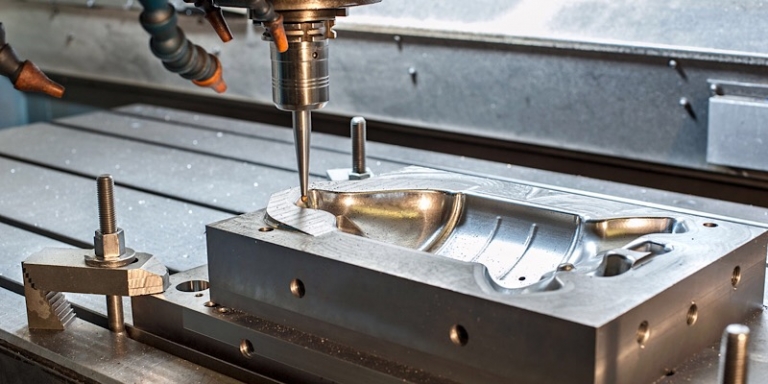
Main Mold Manufacturing Methods
 |
Comparison: Rotomolding Tooling vs. Injection & Blow Molds
| Feature / Metric | Rotomolding Molds (Cast/CNC) | Injection Molds | Blow Molds |
| Tooling Cost | Low to Moderate ($5K – $35K) | Extremely High ($50K – $300K+) | Moderate to High ($20K – $100K) |
| Internal Operating Pressure | Atmospheric (~1 bar) | High Pressure (300 – 1500+ bar) | Medium Pressure (5 – 10 bar) |
| Part Wall Uniformity | Excellent & controllable | Highly uniform | Inconsistent at deep draws |
| Lead Time | Fast (4 to 8 Weeks) | Long (12 to 24 Weeks) | Moderate (8 to 14 Weeks) |
| Mold-in Inserts & Threading | Highly Compatible & Easy | Complex (Requires sliding cores) | Limited Compatibility |
Industry Trends & Expert Insights
Tooling Innovations for 2026
Expert View
Rotational molding tooling provides an unbeatable freedom of design. Because the molds operate without clamping pressure, engineers can create massive, multi-walled structures with molded-in threads and metallic inserts at a fraction of injection molding capital investment.
— Dr. Marcus Vance, Senior Tooling Architect, International Rotomolding Association.
 |
 |
Case Studies
Case 1:
Marine Hardware Manufacturer (USA): Transitioned from heavy steel fabrications to CNC-machined aluminum rotomolding molds for yacht fuel tanks.
Reduced lead time by 50% and eliminated post-mold trimming with micro-tight parting line seals.
Case 2:
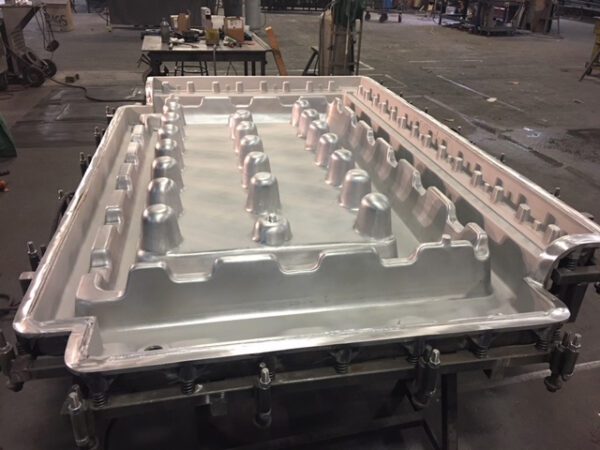
Agricultural Equipment OEM (Brazil): Designed a 5,000-liter chemical storage tank mold using fabricated sheet steel.
Achieved full production tooling in under 5 weeks at 25% of the estimated blow-molding tooling budget.
Case 3:
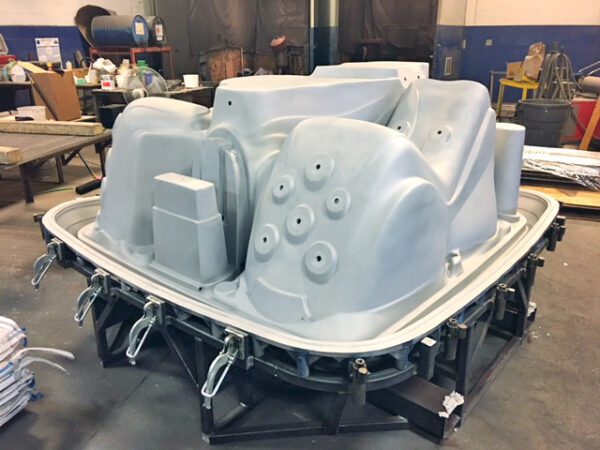
Outdoor Locker & Cooler Brand (Germany): Manufactured multi-cavity cast aluminum molds with simulated leather textures and molded-in brass inserts.
Zero surface defect rate and seamless assembly across 50,000+ units.
Technical Specifications & Engineering Data
Mold Materials: A356 Cast Aluminum, 6061-T6 Forged Aluminum, or C1020 Carbon Sheet Steel.
Mold Wall Thickness: 8 mm – 12 mm for Cast Aluminum; 6 mm – 10 mm for CNC Aluminum; 3 mm – 6 mm for Fabricated Steel.
Dimensional Tolerance: ±0.5 mm for CNC Machined Molds; ±1.0 mm for Cast Aluminum Molds.
Draft Angle Range: 1.5° – 5.0° (depending on depth of draw and surface texture).
Expected Tool Life: 50,000 to 150,000+ thermal production cycles with routine maintenance.
Real-World Applications of Rotomolding Molds in 2026
1. Heavy Industrial & Agriculture Tanks
Fabricated steel and cast aluminum molds are widely used to produce:
Large vertical/horizontal water tanks, liquid fertilizer spray drums, and septic containers up to 20,000 liters.
Chemical dosing hoppers with molded-in volume level graduations.
2. Marine & Offshore Infrastructure
Precision aluminum tooling allows for the production of seamless, leak-proof:
Heavy-duty pontoon floats, dock bumpers, marine fuel/waste tanks, and rotomolded boat hulls.
3. Outdoor Gear, Coolers & Commercial Lockers
Cast aluminum molds with detailed surface textures are preferred for:
Commercial insulated ice boxes, heavy-duty toolboxes, plastic lockers, and military transport cases.
4. Automotive, RV & Special Vehicles
CNC-machined aluminum molds deliver tight-tolerance components including:
RV water/holding tanks, tractor mudguards, air ducts, and floor panels.
Mold Selection Matrix
| Product Category | Recommended Mold Type | Key Tooling Features | Typical Products |
| Large Industrial Tanks | Fabricated Sheet Steel | Low cost, fast fabrication, high thermal response | Water tanks, septic systems, chemical hoppers |
| High-Detail Consumer Goods | Cast Aluminum | Intricate textures, complex curves, multi-cavities | Coolers, kayaks, playground slides, lockers |
| Precision Technical Parts | CNC Machined Aluminum | Tight tolerances, smooth parting lines, zero porosity | Marine fuel tanks, RV water tanks, ducting |
FAQ
1. What is the main difference between cast aluminum and CNC aluminum rotomolding molds?
Cast aluminum molds are made by pouring molten aluminum into a sand pattern, making them ideal for complex, textured organic shapes at a lower cost. CNC aluminum molds are milled from solid aluminum blocks, offering higher dimensional precision, tighter parting lines, and zero surface porosity.
2. Can metal threaded inserts be molded directly into rotomolded parts?
Yes. Mold-in brass, stainless steel, or aluminum threads can be fixed onto the mold wall before loading plastic resin. During the rotation and heating cycle, the polymer encapsulates the insert permanently.
3. How long does a rotomolding mold last?
With proper mold maintenance (cleaning, release agent re-application, and seal inspection), high-quality aluminum and steel rotomolding molds can complete 50,000 to over 150,000 production cycles.
4. Why are rotomolding molds significantly cheaper than injection molds?
Rotomolding operates under atmospheric pressure without high-pressure hydraulic injection forces. Consequently, rotomolding molds do not require thick, heavy steel bolster plates or expensive hydraulic core-pulling systems.
5. How do I request a custom rotomolding mold quote?
Provide your manufacturer with 3D CAD files (STEP/IGES format), target wall thickness, required annual production volume, and surface finish preferences (e.g., texture grain or high gloss).
|
References
|
Scan to WhatsApp :

Home
products
contact