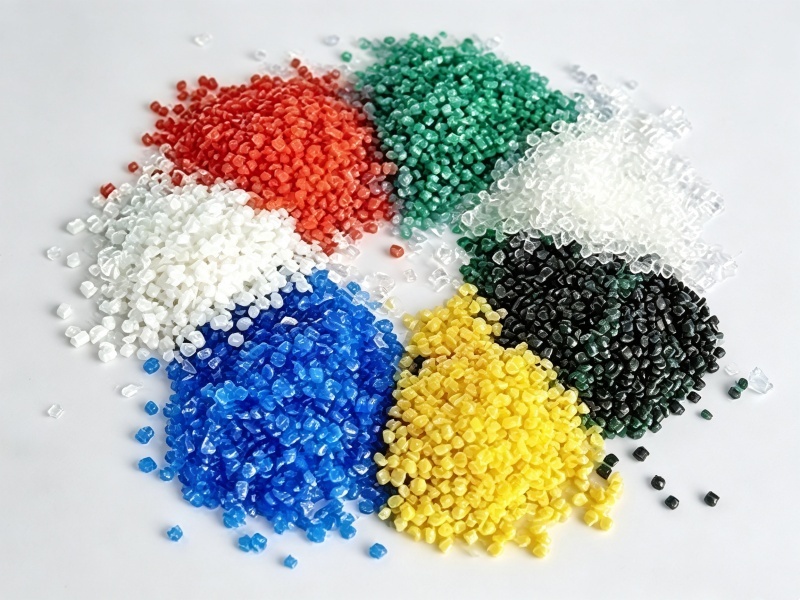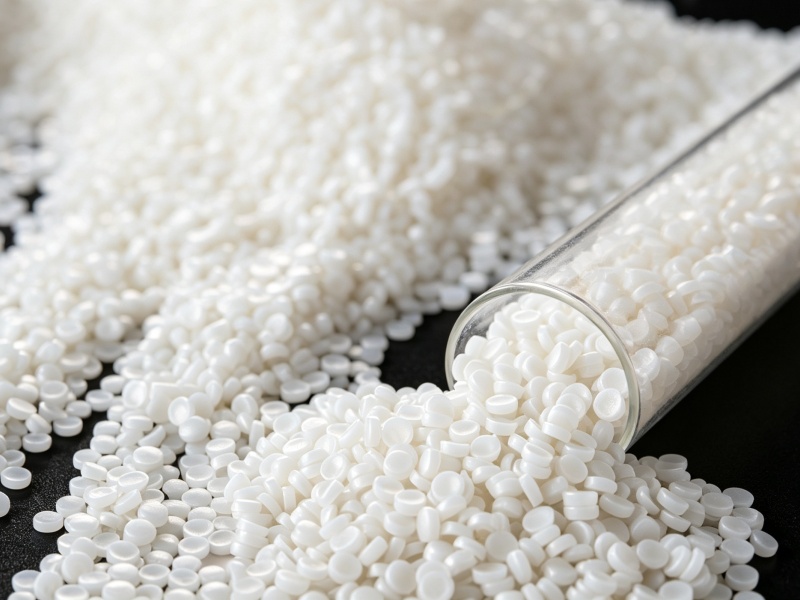

In 2026, Polyethylene (PE) materials continue to provide an unbeatable mix of mechanical durability, chemical resistance, and design flexibility. Whether you need lightweight marine floats, heavy-duty outdoor coolers, or chemical-resistant industrial tanks, PE compounds deliver reliable long-term performance at an optimal cost structure.
|
Opening Dialogue
Product Manager: We’re developing a long-lasting outdoor water tank and custom heavy-duty storage containers. We need a material that is tough, chemical-resistant, non-toxic, and crack-proof under extreme weather. What are our best options? Materials Engineer: If you need exceptional impact strength, environmental stress crack resistance (ESCR), and food-grade compliance without high raw material costs, PE (Polyethylene)—especially HDPE and LLDPE—should be your top choice. Sustainability Lead: Plus, PE is 100% recyclable, fitting seamlessly into our circular economy and ESG compliance goals. Supply Chain Manager: And we have trusted PE compounding and rotomolding partners with fast lead times and stable supply chains.
*This guide explains why PE (Polyethylene) materials remain an essential choice for engineering and industrial applications in 2026 and how to source them efficiently. |

What Are PE (Polyethylene) Materials?
Polyethylene (PE) is the world's most widely used thermoplastic polymer, renowned for its flexibility, chemical inertness, moisture resistance, and high impact durability. Through physical and chemical modification—such as cross-linking, UV stabilization, or blending with reinforcement fibers—modified PE caters to severe industrial and engineering conditions.
Key Classifications & Additive Modifications
|
|
|
PE Materials: Selection & Manufacturing Excellence
High-Grade Polymer Selection
Premium PE products begin with prime virgin resins sourced from globally certified petrochemical leaders (e.g., Dow, ExxonMobil, LyondellBasell), blended with precise masterbatches to guarantee uniform color and mechanical integrity.
Advanced Processing & Production
Quality Features Compared to Standard Polymers
| Feature | Standard Commodity PE | Modified High-Performance PE | Generic PVC / PS |
| Impact Strength | Moderate | Extreme (Zero brittle fracture at -40°C) | Low / Brittle |
| UV Resistance | Degrades in 1–2 years | Up to 10+ years outdoor lifespan (UV8-UV20) | Fades / Cracks |
| Chemical Inertness | Good | Superior (Resists acids, bases, & solvents) | Vulnerable to solvents |
| Eco-Friendliness | Recyclable | 100% Recyclable / Non-toxic / Food-grade | Harder to recycle |
Industry Trends & Expert Insights
Market Trends for 2026
Expert View
Polyethylene’s versatility—especially when optimized via rotational molding and UV stabilization—offers an unmatchable balance of durability, corrosion resistance, and cost efficiency for heavy-duty outdoor applications.
— Dr. Aris Thorne, Senior Polymer Chemist, Global Plastics Institute.
Case Studies
Case 1:
Marine Equipment Manufacturer: Switched to UV20-stabilized rotomolded LLDPE for pontoon floats.
Extended product service life from 3 years to over 10 years without surface chalking.
Case 2:
Agricultural Equipment OEM: Adopted high-ESCR HDPE for liquid fertilizer storage tanks.
Eliminated stress cracking under harsh seasonal thermal changes.
Case 3:
Logistics & Storage Brand: Deployed conductive antistatic PE containers for chemical warehousing.
Zero static-induced incidents and full EU safety compliance.
Scientific Performance Data
| Density Range | 0.910 – 0.965 g/cm³ (ISO 1183) |
| Tensile Strength at Yield | 15 – 32 MPa (ISO 527) |
| Izod Impact Strength (Notched) | No break or up to 40 kJ/m² at 23°C (ISO 180) |
| Environmental Stress Crack Resistance (ESCR) | >1,000 Hours (ASTM D1693, Condition B) |
| Melt Flow Index (MFI) | 0.5 – 20 g/10min @ 190°C/2.16kg (ISO 1133) |
Applications of PE Materials in 2026
1. Marine & Watercraft Infrastructure
Due to its lightweight floatability, salt-water corrosion resistance, and high impact resistance, modified PE is the dominant choice for:
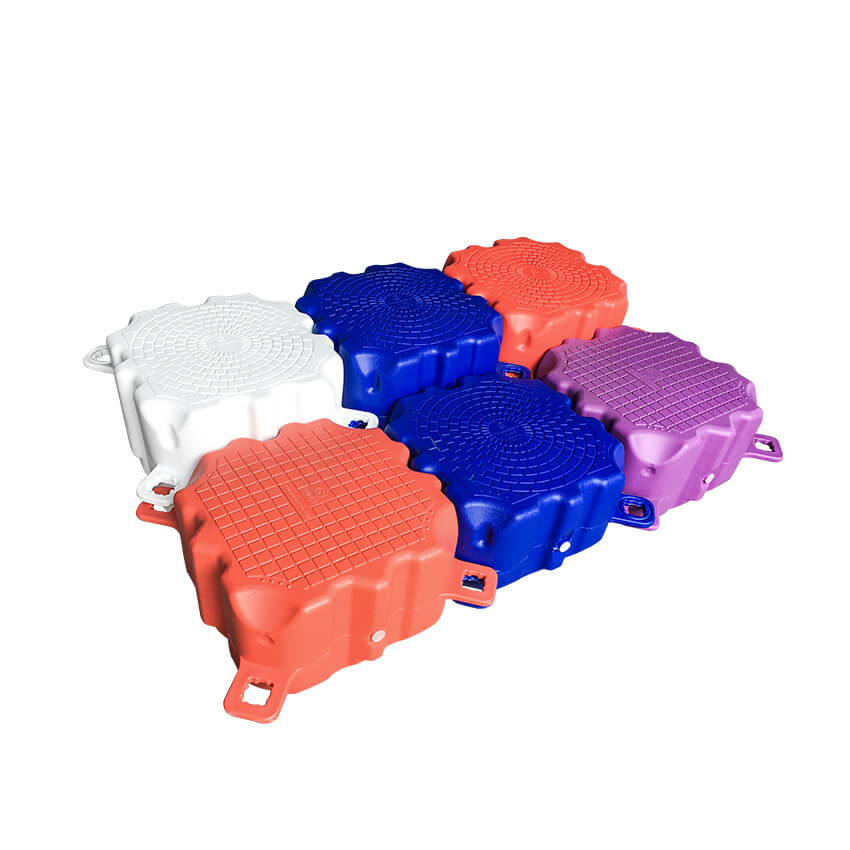
Pontoon floats, dock bumpers, and boat hulls: Rotomolded LLDPE delivers seamless, leak-proof, single-piece construction.
Marine fuel and waste water tanks: Ensuring zero fuel permeation and structural reliability in rough seas.
2. Agriculture, Outdoor & Heavy Equipment
Extremely resilient against weathering and harsh agrochemicals, HDPE and LLDPE are extensively used in:
Large chemical spray tanks and water storage reservoirs.
Outdoor furniture, playground equipment, and traffic barriers: Resisting long-term sun exposure and high impacts.
3. Industrial Packaging, Lockers & Coolers
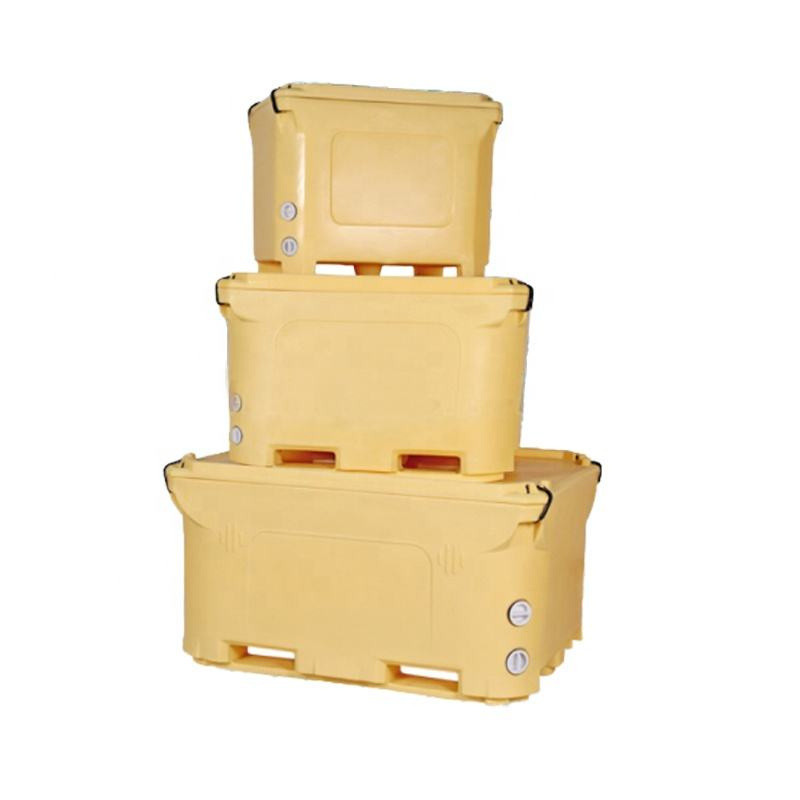
Heavy-duty toolboxes and outdoor coolers: Double-walled rotomolded PE insulated with PU foam provides commercial-grade thermal retention and ruggedness.
Plastic lockers and storage bins: Rust-proof, easily washable, and durable for schools, gyms, and industrial plants.
4. Automotive & Transportation Components
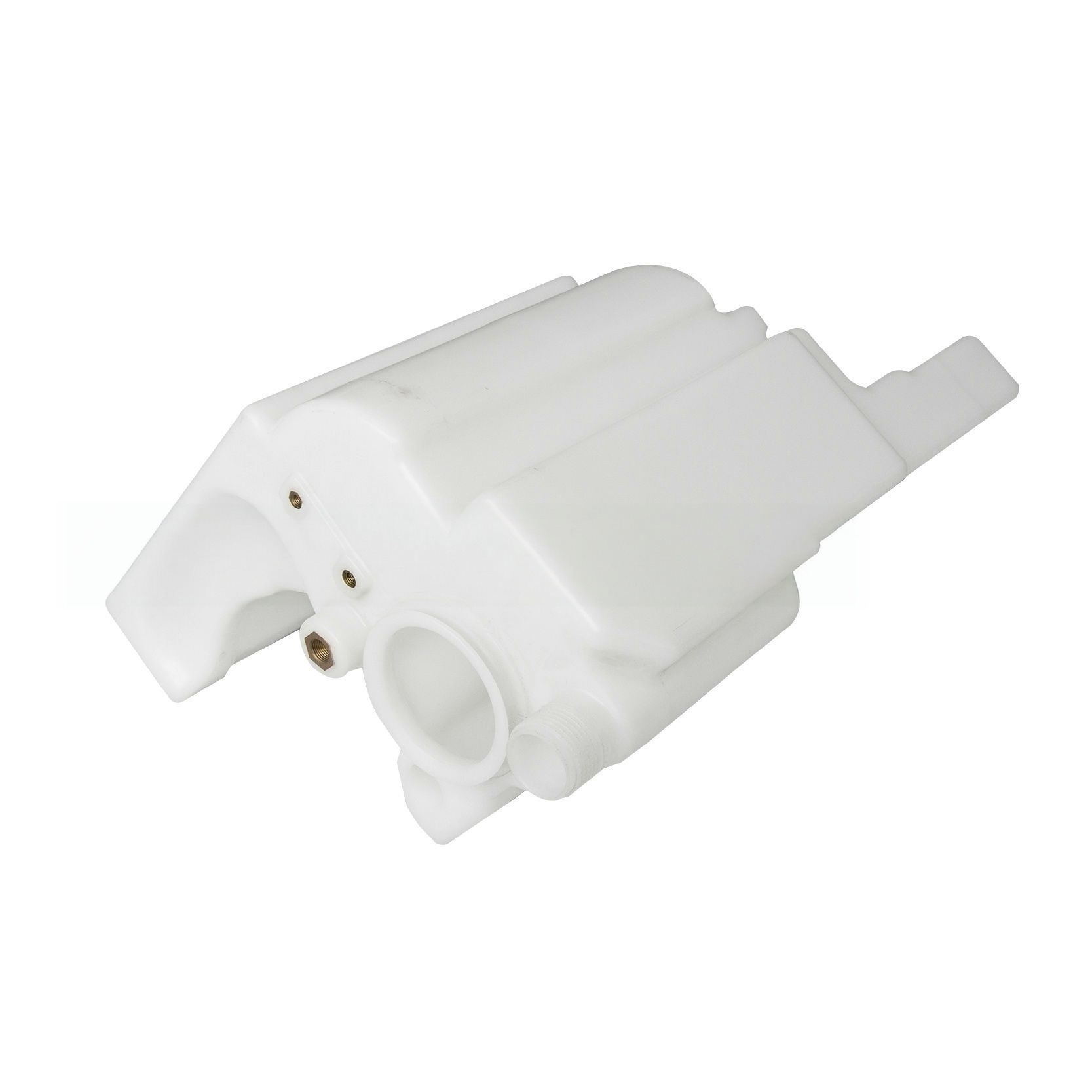
RV water/waste tanks and tractor fenders: Offering lightweight alternative to metal parts, aiding in overall vehicle weight reduction.
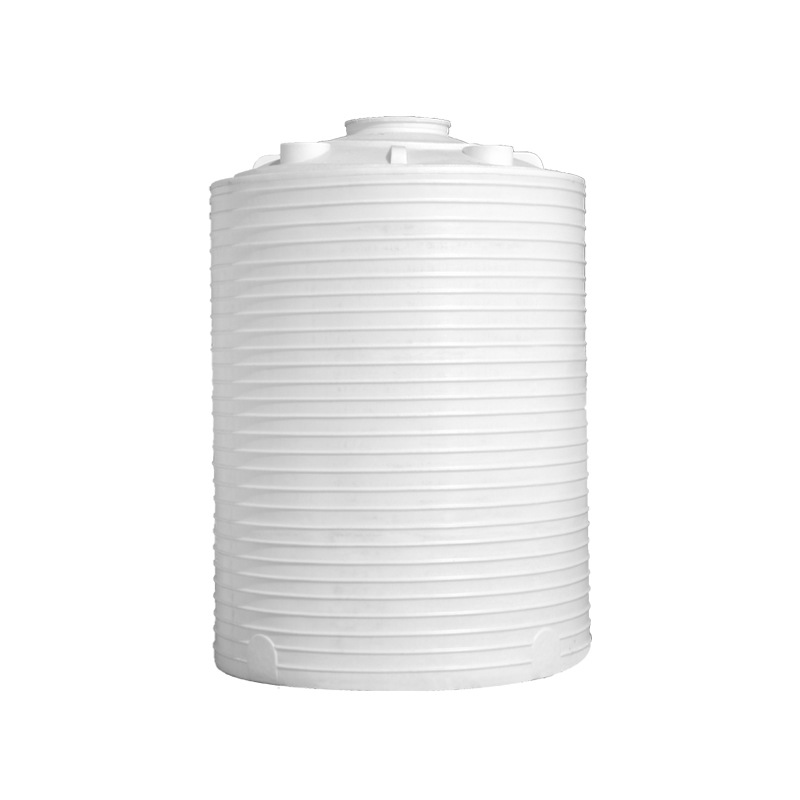
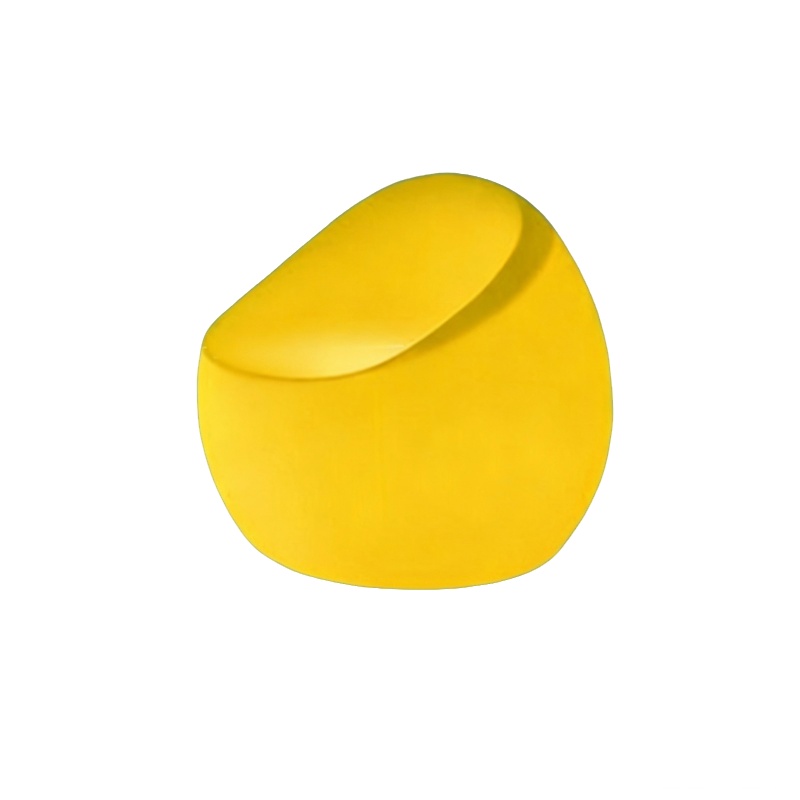
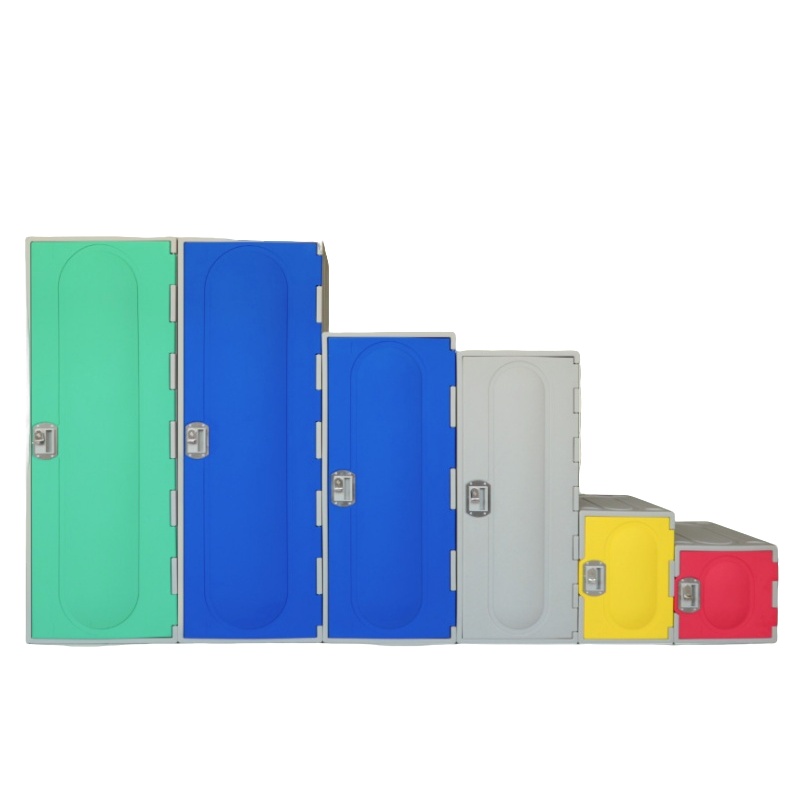
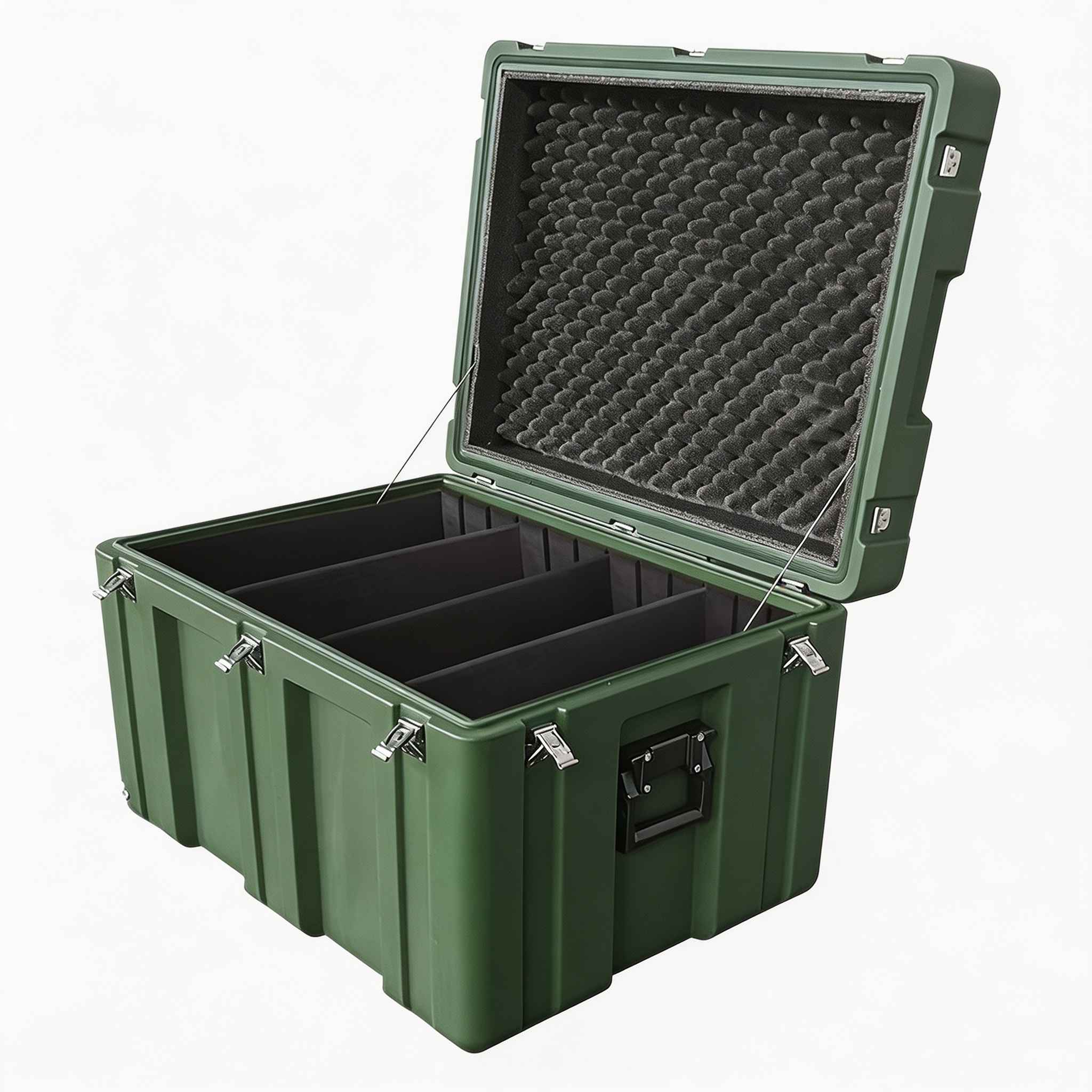
Industrial Advantage Summary
| Industry Sector | PE Material Advantage | Typical Application Examples |
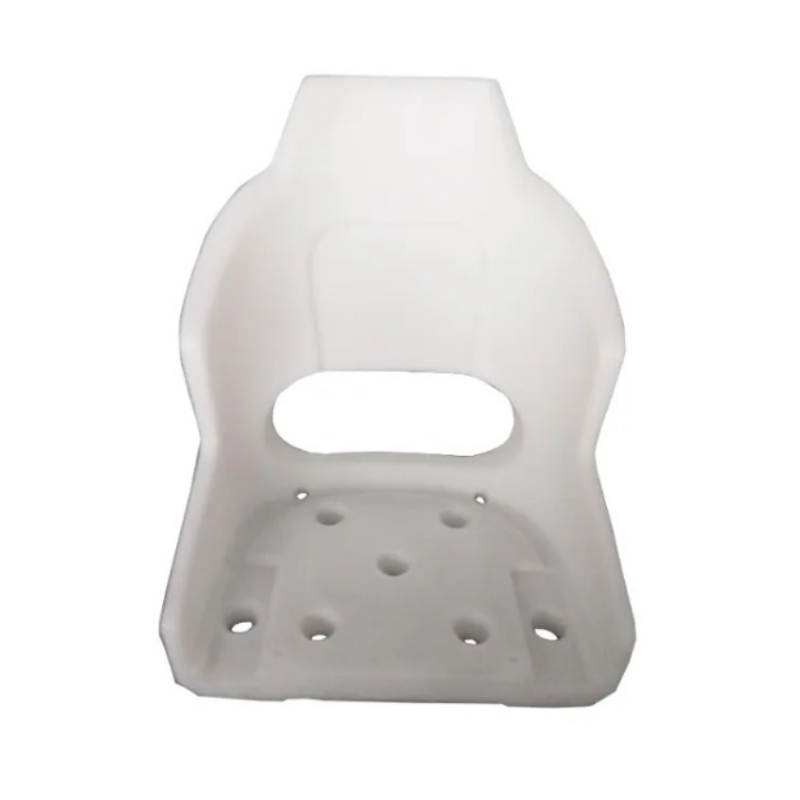
| Marine Infrastructure | Corrosion-proof, UV20 stable, high buoyancy | Pontoon floats, boat consoles, dock bumpers |
| Agriculture & Chemical | Outstanding ESCR, acid/alkali resistance | Spray tanks, fertilizer containers, water drums |
| Outdoor & Recreation | High impact resistance, color retention, non-toxic | Coolers, kayaks, outdoor furniture, playground sets |
| Industrial Storage | Antistatic options, stackable rigidity, washable | Heavy-duty toolboxes, plastic lockers, spill pallets |
FAQ
1. What is the difference between HDPE and LLDPE?
HDPE offers higher rigidity, tensile strength, and hardness, making it great for rigid pipes and heavy containers. LLDPE provides superior flexibility, puncture resistance, and impact strength, making it ideal for rotational molding and stretch films.
2. Is PE material safe for drinking water and food contact?
Yes. Natural virgin PE (HDPE/LDPE/LLDPE) is inherently non-toxic and complies with global FDA and EU food contact regulations.
3. How long can UV-stabilized PE products last outdoors?
With proper UV additives (such as HALS at UV8 to UV20 levels), modified PE products can withstand 10 to 20+ years of direct, intense sunlight without significant degradation.
4. Can PE materials be rotomolded?
Absoutely. LLDPE and HDPE powders are the most popular materials for rotational molding due to their excellent melt flow and seamless molding capabilities.
5. How do I source custom modified PE compounds or rotomolded parts?
Look for ISO-certified manufacturers specializing in polymer compounding and rotational molding capabilities to ensure strict quality standards.
|
References
|
Scan to WhatsApp :

Home
products
contact